Spain is no longer considered a measles-free country. At the end of January, the World Health Organization's European Regional Verification Committee for Measles and Rubella Elimination officially informed the Government that, after the outbreak of cases in the last two years, the decrease in vaccination coverage, and the increase in imported infections, endemic transmission is re-established.
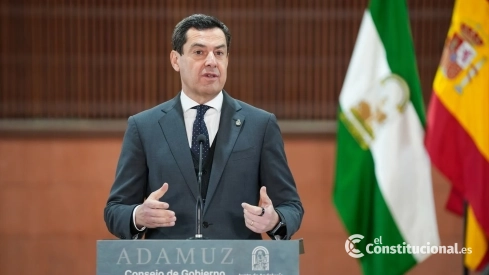
In this context, Andalusia was the first community to make a move. After updating its surveillance protocol in April 2025 to strengthen the response to outbreaks, the Junta has taken a further step: from 2026 it will advance the second dose of the triple viral vaccine —measles, rubella, and mumps— from 3 to 2 years of age. The vaccine is already available to Andalusian families.
The decision comes after a particularly complicated year. In 2025, 93 cases were confirmed in the community, with 14 active outbreaks. Although vaccination rates remain high —97.7% for the first dose and 95% for the second—, Health opted to reinforce prevention, advancing the second dose in affected areas and in minors who had been in contact with confirmed cases. Vaccination was also recommended for travelers to countries with high incidence.
The new protocol is not limited to the childhood calendar. It includes more agile coordination circuits, the involvement of the private sector, the review of the vaccination status of health professionals, and the updating of criteria on the use of immunoglobulin. Furthermore, campaigns have been intensified to reach so-called "pools of susceptibles": unvaccinated individuals—unvaccinated children, young adults with incomplete vaccination schedules, or people with immune response problems—among whom the virus can spread more easily.
The majority of cases registered in Andalusia were imported or linked to infections from other countries and mainly affected unvaccinated people. 28% required hospitalization, although no deaths occurred. Malaga was the province with the most positives, followed by Almeria and Huelva, in a trend similar to that observed in Spain and Europe as a whole.
