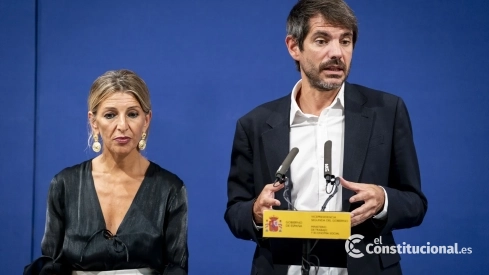
The Ministries of Culture and Labor are finalizing the anticipated Statute of the Artist, a royal decree aimed at modernizing the labor relations of those working in the performing arts, audiovisual, and music sectors. The text seeks to recognize and protect the rights of artists, technicians, and support staff, many of whom are subject to special conditions that previous regulations did not adequately address.
AI: no to the replacement of artists
One of the most significant novelties of the Statute is the regulation of the use of generative Artificial Intelligence in the sector. The rule will establish that AI cannot replace the participation of artists nor eliminate their presence in the contracted work. Furthermore, any use of this technology must be expressly included in the artistic employment contract and limited to the scope of the work for which it was contracted.
Until now, current legislation did not always consider activities such as rehearsals, promotion, or preparation of a work as effective working hours, which excluded rights associated with time worked. The new Statute will incorporate these activities into working hours, equating them to traditional paid functions and guaranteeing full labor benefits and rights.
The text also reinforces trade union representation in the cultural sector, with the aim of enabling worker organizations to negotiate effectively in collective agreements and defend the interests of the collective. This is something that has been historically in high demand by cultural professionals, who are calling for equal treatment with other labor sectors.
Next Steps and Expected Approval
According to ministerial sources, the royal decree developing the Artist's Statute could be approved before the summer of 2026, following consultations and technical progress with the various stakeholders in the sector. The regulation is presented as an attempt to adapt the cultural labor market to current challenges, including the effects of digitalization and new technologies.
Add ElConstitucional.es as a preferred Google source for free.
Stay informed about all the latest breaking news with the best information. Against disinformation, for democracy and social rights.