On January 18, 2026, a serious train accident occurred in Adamuz (Córdoba) in which an Iryo high-speed train derailed, entering the opposite track. Shortly after, a Renfe Alvia train collided with the Iryo carriages. The accident has caused multiple fatalities and numerous injuries, making it one of the worst recent railway tragedies in Spain.
This catastrophe is leading to an unprecedented proliferation of disinformation on social media, a platform that has accustomed us to the rapid circulation of rumors in times of crisis.
Every day I will choose an atrocity and debunk it. These are the images of the brutal impact on the front left of car 7. Why do these people say these things? What are they pursuing? https://t.co/Lv3m2z6lIu pic.twitter.com/JaCsdfgsQ3
— Óscar Puente (@oscar_puente_) January 23, 2026
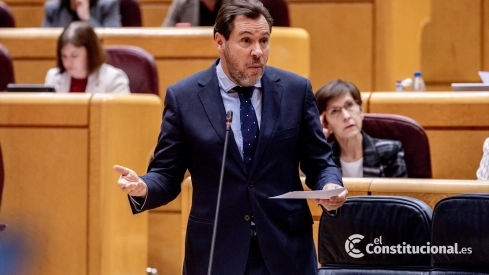
Despite multiple appearances and interactions with the media where the Minister of Transport, Óscar Puente has emphasized that the investigation remains open, that a definitive cause cannot yet be established, and that all information must be based on technical evidence, alternative versions that present themselves as true continue to emerge on social media.
This time, the focus has been on an X comment where a user questioned how the accident had been reported from the outset. The author pointed out that, in her perception, from the beginning, there was talk of a collision between trains before hearing from witnesses or analyzing data, and that currently some passengers deny there was a collision.
The minister himself has responded to this user with real images of the collision so that she cannot harbor any doubt. All these versions spread by "experts" highlight the importance of verification work to ensure that the information reaching public opinion is based on verified facts.
Add ElConstitucional.es as a preferred Google source for free.
Stay informed about all the latest breaking news with the best information. Against disinformation, for democracy and social rights.