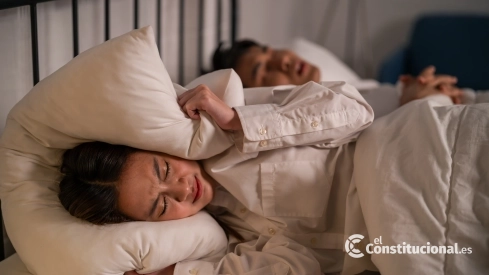
Snoring is one of the most common sleep problems in adults, but also one of the most difficult to solve. Now, a new minimally invasive surgical intervention opens the door to an effective solution for many patients.
A study by the Department of Otorhinolaryngology of the Clínica Universidad de Navarra has analyzed the results of a technique applied to the palate that significantly reduces the intensity of snoring, without the need for hospitalization.
What does this surgery to stop snoring consist of
The technique, known as “Double-W” palatoplasty, acts directly on the soft palate.
The objective is simple: to tighten that area to prevent it from vibrating during sleep. That vibration is, precisely, what causes the sound of snoring.
It is a brief intervention, which is performed with local anesthesia and without the need for admission. The procedure is minimally invasive and is designed to reduce subsequent discomfort.
The study data point to a clear improvement in the treated patients.
According to the results:
- 80% of patients reduced snoring by approximately half
- Many stopped snoring habitually
- No serious complications were recorded
The most frequent discomforts after the intervention were mild, mainly pain when swallowing, and were controlled with analgesics.
Additionally, a relevant fact: 87% of patients would repeat the intervention if it were necessary.
For whom this intervention is recommended
This type of surgery is not intended for all cases.
It is mainly aimed at:
- Adults with intense snoring
- People without moderate or severe sleep apnea
- Patients without significant comorbidities such as obesity
The objective is to improve the quality of rest in cases where the problem is related to the vibration of the palate.
Why we really snore
Snoring occurs when, during sleep, the muscles of the throat relax.
That relaxation causes the airways to narrow and the air to have to pass with more force, generating vibration in the tissues.
The narrower the airway is, the greater the sound is.
There are several factors that can favor or worsen snoring:
- Nasal problems, such as congestion or deviated septum
- Inflammations due to allergies or sinusitis
- Alcohol or tobacco consumption
- Certain medications
- Sleeping on your back
Also influence aspects such as the lack of rest or the weakened muscle tone in the throat area.
Although they are more frequent in adults, snores can also appear in children.
In these cases, they are usually related to the adenoids or vegetations, which can hinder the passage of air during sleep.
The appearance of less invasive techniques like this represents an advance for those who habitually suffer from snoring.
Without the need for hospitalization and with a rapid recovery, this type of intervention offers an alternative to improve sleep quality in selected cases.
Add ElConstitucional.es as a preferred Google source for free.
Stay informed about all the latest breaking news with the best information. Against disinformation, for democracy and social rights.
