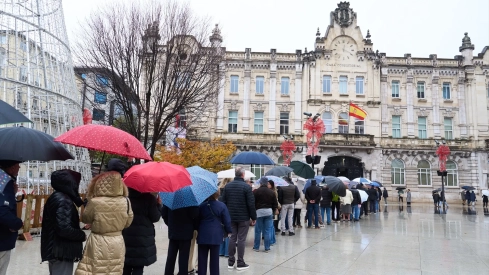
Participation in this Sunday's general elections on November 29 starts well above that of 2023. At 2:00 PM, 45.75% of the electorate had voted, 5.27 points more than at the same time in the general elections of July 23, 2023, when participation was 40.48%. The data, with 99.8% of polling stations counted, is the highest at this time in recent general elections.
We explain how participation is going, where it is rising the most, how it compares to previous elections, and what to consider before drawing conclusions.
Participation at 2:00 PM, in figures
- Participation at 2:00 PM: 45.75%.
- Same time in 2023: 40.48%.
- Difference: +5.27 points.
- Polling stations counted: 60,913 out of 61,033 (99.8%).
- Eligible voters: 38.6 million.
The first figures released in the afternoon were lower (45.03%) because they were calculated with fewer polling stations. The percentage increased as data from the remaining polling stations arrived.
Comparison with previous elections
| Elections | Participation at 2:00 PM |
|---|---|
| 29N 2026 | 45.75% |
| 23J 2023 | 40.48% |
| 10N 2019 | 37.93% |
| 28A 2019 | 41.49% |
| 26J 2016 | 36.87% |
| 20D 2015 | 36.91% |
| 20N 2011 | 37.88% |
The increase is notable even compared to April 2019, the election with the highest participation in recent years. The complete evolution since 1977 can be found in participation in general elections: how it is calculated and its evolution.
Where participation rises most
- Euskadi: more than ten points above 2023.
- Catalonia: about eight points more, with 45.24% at 2:00 PM. 23% more Catalans have voted than at the same time in 2023.
- Andalusia: 44.12%, two points more than in 2023. Almería is the Andalusian province with the highest turnout and Huelva the lowest.
- Canary Islands: in the islands, the first cut-off is at 1:00 PM local time; there, participation rises by more than seven points and is close to 36%.
Caution when comparing: mail-in voting
The 2:00 PM and 6:00 PM updates only count in-person votes. Mail-in votes are added at closing. In 2023, with elections in mid-July, there were almost 2.46 million mail-in votes; this year, around 1.01 million. This means that a portion of those who voted by mail in 2023 are voting in person today, which inflates the comparison of the updates. We explain this in what happens with mail-in voting today.
What does high participation mean?
High turnout indicates mobilization, but it does not by itself say who benefits. It depends on which voters are mobilized and where. In addition, a higher turnout increases the number of votes needed to exceed the 3% threshold in each province. If you want to see how it affects the distribution of seats, try our interactive D'Hondt calculator or review how seats are distributed.
Upcoming data
- 18:00: second participation update (in 2023 it was 53.13%). The Ministry of Interior presents it around 18:30.
- 20:00: polling stations close on the peninsula and the first exit polls arrive.
- 21:00: provisional counting begins. We tell you at what time the results are known.
Frequently asked questions
What is the turnout at 14:00 on 29N? 45.75%, with 99.8% of tables computed.
Is it higher than in 2023? Yes, 5.27 points higher.
Does it include postal votes? No. It is added at the end of the day.
When will the next data be known? The 18:00 data, around 18:30.
📌 Guide to the 29N elections
🗳️ To vote today
- Until what time can you vote today?
- Can you vote with an expired ID?
- How to vote for the Senate: the sepia ballot
- Blank vote, null vote, and abstention
- Polling station: what happens if you don't go
📊 Election night
- At what time are the results known?
- Exit polls: what time do they come out
- Where to see the results by municipality
- Turnout: times and evolution
- Candidates and parties of 29N
🏛️ After 29N
Contact
We are listening. Get in touch.
