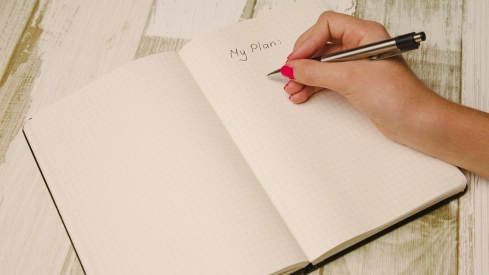
Organizing tasks and remembering pending appointments is increasingly simple thanks to mobile phones. However, resorting to the traditional method of writing plans in a paper agenda can have some advantages for memory. This is pointed out by research from the University of Tokyo, which found differences in the way the brain processes information depending on the medium used.
The study, published in 2021 in the scientific journal Frontiers in Behavioral Neuroscience, analyzed 48 people between 18 and 29 years old. Participants had to write down a series of schedules, deadlines, and commitments in different formats: a paper agenda, a tablet, or a mobile phone. One hour later, researchers checked how much they remembered of the information they had noted.
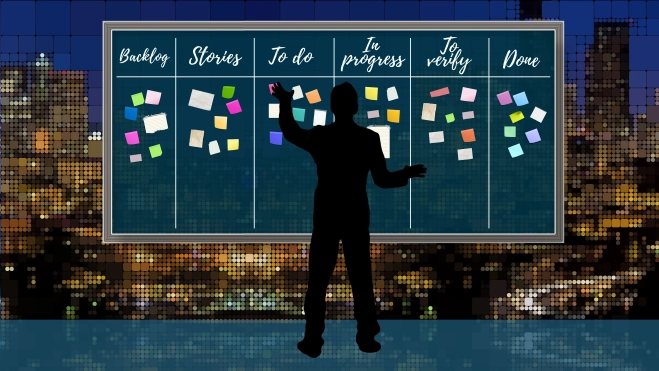
The results showed that those who used paper completed the task in less time and registered greater brain activity in areas related to memory, language, and vision. This suggests that writing by hand can help process and retrieve certain data more easily.
Handwriting activates different areas of the brain
One of the explanations offered by the research is related to the visual and physical information provided by paper. When writing in an agenda, the person not only remembers the words or numbers, but also where they have placed them, the space they occupy, or the annotations they have added.
These details can become clues that make it easier to remember information later. In contrast, mobile applications usually present data on screens that scroll and change position, thus losing part of that spatial reference.
Researchers also observed differences in the activity of the hippocampus, a brain region related to memory. According to the University of Tokyo team, using a physical agenda can generate a more complete representation of information and facilitate its retrieval.
Paper agendas help visualize organization better
Beyond remembering a specific appointment, using a physical agenda also allows for an overview of commitments. Consulting a monthly or weekly calendar helps to observe how tasks are distributed, detect busier days, and reserve free spaces.

Furthermore, writing down plans by hand can become a way to mentally review what is pending. Marking an important date, crossing off a completed task, or re-consulting notes allows these commitments to remain present without continually depending on phone notifications.
This does not mean that the digital calendar should be abandoned. The mobile phone remains a practical tool for sharing schedules, organizing trips, or receiving last-minute alerts. The key is to leverage each format according to needs: use the phone to manage reminders and turn to paper when seeking a more visual planning or wanting to reinforce the memory of certain tasks.
