
The Government approved this Tuesday, November 24, a new package of fiscal measures aimed at self-employed workers that includes an IRPF reduction and a significant simplification of their tax obligations. Among the main novelties is the possibility of replacing the four quarterly VAT declarations with a single annual declaration for those professionals who invoice less than 85,000 euros.
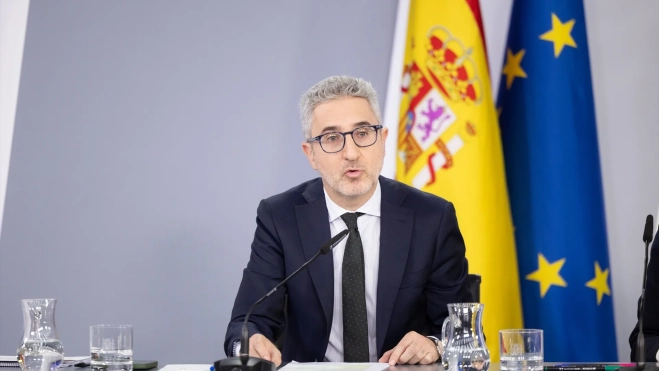
The Council of Ministers has given the green light to these measures in its last meeting before the general elections on November 29. The Minister of Finance, Arcadi España, explained that the set of tax reductions will have an impact of 465 million euros and will reach some 2.6 million self-employed workers.
The reform aims to alleviate the costs borne by small businesses and reduce the bureaucratic burden of keeping their obligations with the Tax Agency up to date. The changes affect both those who pay taxes under direct estimation and those who are in the module system.
What IRPF deductions will self-employed workers have in 2026?
One of the main novelties is the increase in the deduction for provisions and expenses of difficult justification for self-employed workers who pay taxes under direct estimation. The percentage goes from 5% to 10%, while the maximum deduction limit increases from 2,000 to 3,000 euros. The measure will take effect in the 2026 fiscal year and will benefit approximately 1.6 million self-employed workers, with an estimated saving of 362 million euros.
Self-employed workers who pay taxes under the module system will also be able to benefit from a tax improvement. In their case, the general reduction on net income goes from 5% to 10% during this fiscal year, a modification that will reach nearly one million professionals and will mean an estimated saving of 161 million euros.

The package also includes changes to the staggered payments of IRPF. Self-employed individuals under direct estimation who invoice less than 85,000 euros may be exempt from presenting them if they meet the established conditions: that the differential quota of their last declaration was negative or higher than the staggered payments already made. For those who maintain the obligation to make these payments and invoice less than 250,000 euros, the rate is reduced from 20% to 19%.
Which self-employed individuals will stop filing VAT every quarter?
Another of the most notable measures is the creation of a special and voluntary regime for small business owners and professionals who invoice less than 85,000 euros annually. With this new system, they will no longer have to file the four quarterly VAT self-assessments and will instead make a single declaration per year.
The measure will affect around 1.1 million self-employed individuals, who will be able to simplify their administrative obligations and better organize their payments to the Treasury. However, this does not mean that payments during the fiscal year will disappear. As Arcadi España explained, professionals under this regime will have to make three advance payments in April, July, and October. The Tax Agency will be responsible for calculating them, dividing the quota corresponding to the previous year by four.
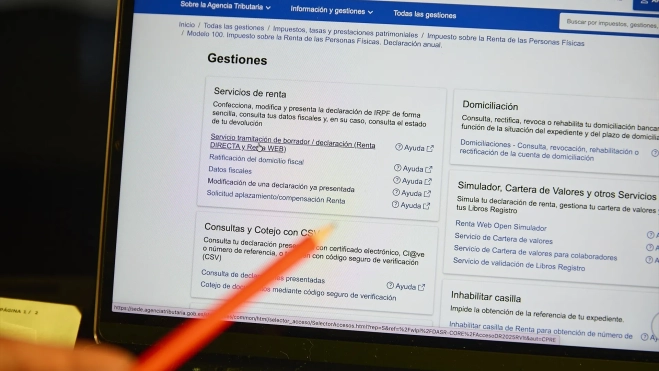
The minister defended that the change will allow moving from four declarations to one, reducing administrative complexity and the bureaucratic burden borne by self-employed workers. The reform does not imply the implementation of the so-called franchised VAT, as self-employed individuals will remain subject to the material obligations of the tax. It is a modification of the form and periodicity of the settlements.
The package approved by the Executive also includes the postponement of Verifactu, the verifiable invoicing system for companies and self-employed individuals, until October 2028. In this way, the Government once again delays the implementation of a tool that will bring new changes in the invoice management of small businesses. The fiscal measures must be specified with their publication in the Official State Gazette (BOE), where the requirements and conditions for joining the new regimes will be included.
Contact
We are listening. Get in touch.
