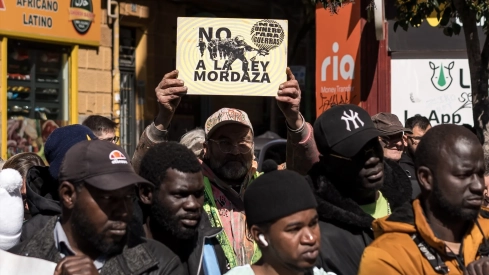
The so-called Gag Law continues to generate controversy more than a decade after its approval. Organic Law 4/2015, on the Protection of Citizen Security, has accumulated in Galicia more than 93.3 million euros in sanctions since its entry into force, with nearly 160,000 registered fines, according to data from the Ministry of Interior published by Faro de Vigo.
In 2025 alone, 12,675 sanctions were imposed in the Galician community, which represents an average of about 35 fines per day and more than 7.6 million euros. The average amount of the infractions was around 600 euros.
Although the number of sanctions decreased by 8% compared to the previous year, the application of this norm continues to be the subject of political and social debate. Furthermore, the reform that different parties have promised in recent years still has not gone ahead.
What is the Gag Law and what sanctions does it contemplate?
The Citizen Security Law, popularly known as the Gag Law, was approved in March 2015 during the Government of Mariano Rajoy, with the support of the Popular Party and the rejection of the rest of the main opposition groups. It came into force on July 1 of that same year.

The norm establishes different administrative sanctions related to citizen security and classifies infractions as minor, serious, and very serious. Fines can range from 100 to 600,000 euros, depending on the seriousness of the acts. Among the behaviors it contemplates are the consumption or illicit possession of drugs in public places, disobedience or resistance to authority, disrespect to agents of the Security Forces and Corps, and certain actions during demonstrations.
One of the issues that has generated the most criticism is the possibility of sanctioning certain actions related to the exercise of the right of assembly and protest. Social organizations and human rights defense groups have questioned some of its articles for years, considering that they can limit fundamental freedoms, such as freedom of expression and demonstration.
Why is the Gag Law still not reformed?
The repeal or modification of the Gag Law has been one of the recurring commitments of the PSOE and its parliamentary partners since Pedro Sánchez came to power. However, the different attempts at reform have ended up clashing with the lack of agreement among political parties.
In recent years, negotiations have taken place to modify different articles of the norm. Among the main points of disagreement are sanctions for disobedience or resistance to authority, disrespect towards police officers, the use of anti-riot material, and hot returns at borders.
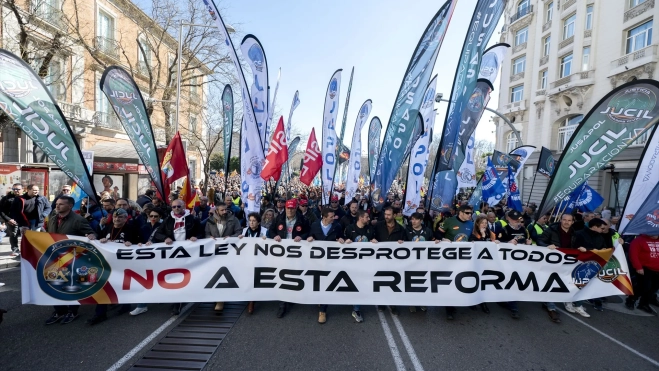
The latest attempt at reform also ended up failing due to discrepancies among the parties that were supposed to support the legislative change. Differences over how to modify infractions related to police action once again blocked negotiations. Thus, the Gag Law remains in force while accumulating sanctions in different autonomous communities and keeping open a debate on the limits between public safety and the exercise of fundamental rights.
Contact
We are listening. Get in touch.
