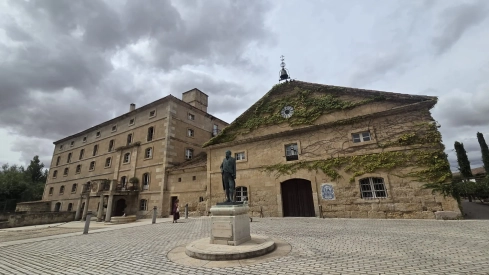
The History of Hacienda Zorita dates back to the 14th century, when Inés de Limoges ceded to the Dominicans the land on which the monks were to build a convent and commit to hosting travelers in their guesthouse. An exchange that presupposed the "salvation of the soul" of the Castilian noblewoman, whom Queen María de Molina entrusted with the education of her son, the future King Alfonso XI, and entailed the friars' duty to pray for the benefactress.
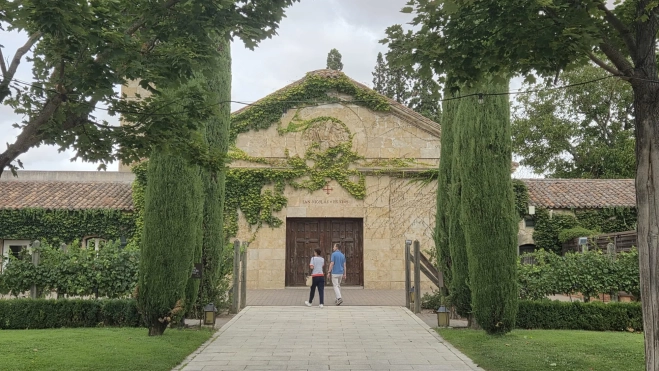
The Dominicans transformed the estate on the banks of the Tormes into a resting place to which they came from the Salamancan convent of San Esteban; a retreat they enjoyed and where they worked cultivating vineyards and cereals, benefiting from the proximity of the clear waters in which the agile pen of an anonymous writer placed the birth of the most famous rogue of Spanish literature: El lazarillo de Tormes.
By the time that publication saw the light – 16th century –, Christopher Columbus had already spent nights sleeping in the guesthouse and entire afternoons trying to convince the friars to intercede with the Catholic Monarchs. Friar Diego de Deza, all ears and a trusted man of the monarchs, believed wholeheartedly in the viability of the so-called Columbian project and after the Valcuevo conferences, in the vicinity of Hacienda Zorita, he mediated for the monarchs to support the expedition to the Indies that ended, unexpectedly, with the discovery of America.
The Mendizábal disentailment was the initial step in the ruin of the building, which became a flour mill and was largely devoured by the fury of a fire in 1950. With the ashes scattered and condemned to fall into oblivion, it was saved from the fate to which it seemed destined when it was bought by The Haciendas Company to transform it into a hotel establishment and Spain's first wine hotel. Today, in the complex owned by Oppo Invest, no wine is produced, but the winery and wines are central to the offering.
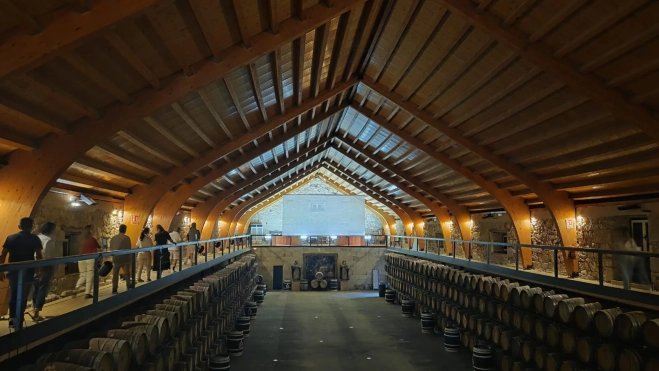
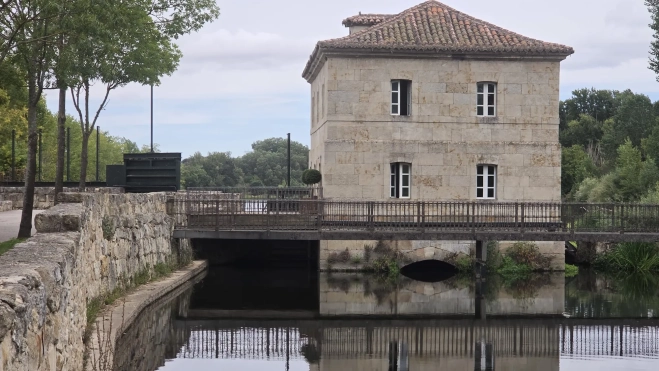
The ease of disconnection that floats in the air remains unchanged despite the vicissitudes suffered over time. Nothing has affected the fact that the recovered spaces have been attributed new functions, such as the old mill converted into a spa from which one can enjoy the calm waters of the Tormes, which complements the option of cooling off in the small garden pools.
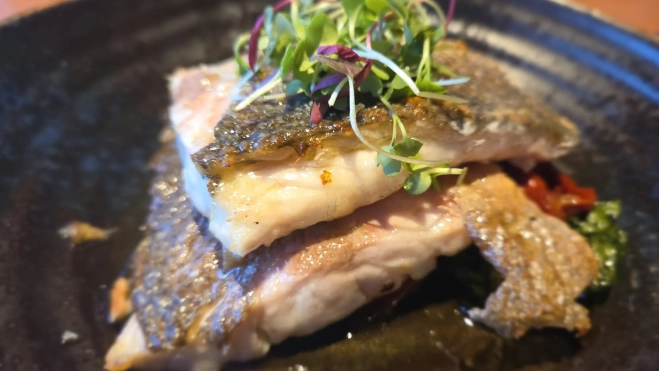
Zorita’s Kitchen, dedicated to the slow food philosophy, is the domain of Víctor Gutiérrez, a chef decorated with two Michelin stars; the last one in 2019. Seasonal and local products are served in the Hacienda Zorita dining room.
The hotel rooms maintain that "monastic style" without anything being missed, and the villas offer private terraces.
Contact