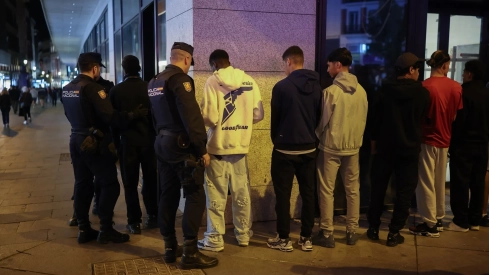
The Civil Guard has arrested in Valencia two young people aged 19 and 20 as alleged leaders of the support structure for the ‘Blocus’ movement in Spain, a network that, according to investigators, had designed mechanisms to conceal the identity of those responsible, ensure the continuity of the organization, and hinder police investigation.
#OperacionesGC | Dos personas detenidas vinculadas a #Blocus 📍 #Valencia, tras los disturbios del 24 de octubre en Barcelona. 👮🏻♂️ Actuación contra dos personas (19 y 20 años), presuntos responsables de la red de apoyo del movimiento violento. 🔍 Ocultaban identidades, borraban mensajes y difundían enlaces que activaban la cámara móvil sin permiso. ⚖️ Dos personas detenidas. ⚠️ La Guardia Civil advierte de las consecuencias penales de participar en movilizaciones violentas, especialmente para el futuro de las personas menores de edad. 🔗https://t.co/v2DPeRwdjF
— Guardia Civil (@guardiacivil) November 19, 2026
Linked to the alleged founder's closest circle
According to the Guardia Civil, the two arrested individuals were part of the closest circle of the alleged founder and ideologist of the movement, who was arrested last October 30 in Picanya (Valencia), within an ongoing operation as part of the actions initiated after the serious disturbances recorded on October 24 in Barcelona.
Around half a thousand people participated in those altercations, and numerous looting and acts of vandalism against commercial establishments occurred, events that activated new proceedings to analyze the structure, coordination, and support channels of the movement.
Coordination functions and ongoing investigations
The armed institute considers that the two detainees performed different functions within the organization, both related to the coordination of its activities and the internal operations of the group. The investigation suggests that both would have contributed to ensuring the continuity of the structure and hindering police action.
Furthermore, one of the investigated individuals allegedly disseminated fraudulent links that activated mobile phone cameras and sent photographs of users without their knowledge, a system that, according to agents, served to reinforce the anonymity of those responsible and complicate investigations.
Contact