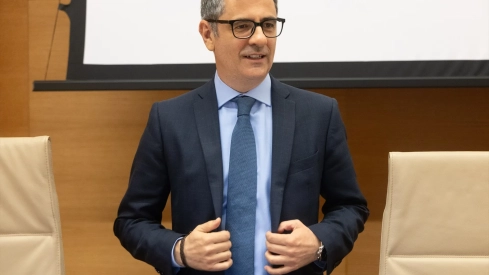
The Government will approve in May the draft Organic Law on Civil Protection of the Right to Honor, personal and family privacy, and one's own image, a norm that will mark a before and after in digital regulation. The announcement was made by the Minister of the Presidency, Justice and Relations with the Cortes, Félix Bolaños, and he confirmed that the text will be sent to Parliament after its approval by the Council of Ministers.
One of the key points of the law is the increase in the minimum age to access social networks, which goes from 14 to 16 years old. This measure seeks to reinforce the protection of minors in digital environments, also obliging platforms to implement effective age verification systems. The initiative responds to the growing concern about the impact of networks on adolescents, especially in issues such as mental health, exposure to harmful content or digital addiction.
The norm also introduces limits to the use of artificial intelligence, prohibiting the use of a person's voice or image for advertising or commercial purposes without their express consent. With this regulation, the Executive aims to anticipate the risks derived from technological development and protect fundamental rights against possible abuses in the digital sphere.
Another of the highlighted aspects is the regulation of the phenomenon of "true crime", a booming genre based on real crimes. The Government seeks to prevent perpetrators of crimes from economically benefiting from these contents, reinforcing the protection of victims. In Bolaños' words, it is about preventing “the perpetrators of these crimes from profiting from this crime”, at a time of growing popularity of these audiovisual productions.
Add ElConstitucional.es as a preferred Google source for free.
Stay informed about all the latest breaking news with the best information. Against disinformation, for democracy and social rights.
