Asking for a soft drink in a bar or buying a pack of cans at the supermarket will not cost ten cents more per container starting this Wednesday. The new European regulation begins to apply on August 12, but that date does not automatically activate any deposit for beverages in Spain.
Over the last few weeks, several reports have stated that bars, restaurants, and shops will have to charge a ten-cent deposit for each can, plastic bottle, or carton of up to three liters starting this Wednesday. The immediate disappearance of sugar, oil, or sauce sachets has also been announced. Neither of these two measures comes into effect this August 12.
The confusion comes from mixing several calendars within the same date. The European Regulation on packaging and packaging waste entered into force on February 11, 2025, and will be generally applicable from this Wednesday in the 27 countries of the European Union. Much of its daily changes, however, will arrive progressively until 2030 and subsequent years.
The 10 cents belong to another calendar
The European regulation obliges countries to prepare deposit and return systems to achieve by 2029 a separate collection of 90% of plastic bottles and beverage cans of up to three liters. The European norm does not set a ten-cent deposit nor does it order to charge it from August 12, 2026.
The text even allows hospitality establishments to be exempt from passing the deposit on to the customer when they open the drink, it is consumed within the premises, and the empty container remains there for its return.
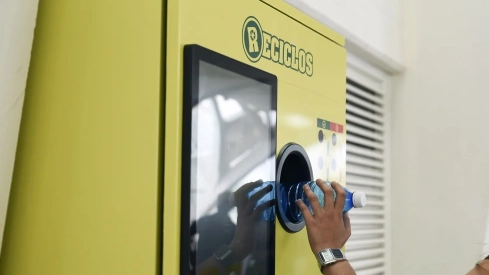
Spain also has its own process underway. The Ministry for Ecological Transition confirmed that in 2023 only 41.3% of single-use plastic bottles were collected separately, far from the national target of 70%. This result forced the activation of the Deposit, Return, and Refund System provided for in Royal Decree 1055/2022.
Spanish regulation includes plastic bottles, cans, and beverage cartons. The deposit will be set by the systems responsible for managing it and will have a minimum amount of ten cents. The consumer will pay it when buying the drink and will fully recover the money when they return the empty container at one of the enabled points.
The official report that confirmed the non-compliance was published on November 22, 2024, and opened a two-year period to implement the system. The legal horizon is, therefore, November 2026, still pending its definitive deployment. The charge will not appear this Wednesday on tickets due to the application of the European regulation.
What begins to change this August 12
The immediate change is mainly concentrated in companies. Manufacturers, importers, and distributors must review their obligations, certify compliance with European requirements, and keep the corresponding technical documentation. The new regulation also modifies who is considered a producer and, therefore, who must register and declare the packaging marketed in Spain.
As of this Wednesday, the commercialization of food contact packaging that exceeds the permitted limits of PFAS, known as permanent chemical substances due to their resistance to degradation, is also restricted. The measure may affect certain paper cups, food boxes, or containers that use coatings to repel water and grease.
The European regulation will have direct application. The current Spanish Royal Decree will remain in force in everything that is compatible, while the Government finishes adapting national legislation. When both norms establish different solutions on the same issue, European regulation will prevail.
The most visible changes will arrive in stages. From February 2027, establishments that sell drinks or food to go must allow customers to use their own containers. In 2028, they will also have to offer a reusable alternative, with exceptions for micro-enterprises.
The prohibition of plastic single-dose containers in hospitality will begin on January 1, 2030. It will affect individual packages of sugar, sauces, dressings, preserves, or milk for coffee, although exceptions will be maintained for prepared food to go and for health centers or residences where they are necessary for hygiene reasons.
That same year, plastic packaging for fresh fruits and vegetables weighing less than 1.5 kilos will be restricted, as will some hotel hygiene products and various disposable formats used in bars and restaurants. More demanding targets for recyclability, recycled content, reuse, and reduction of empty space in packages will also come into play.
This Wednesday, the new European framework will begin, and companies will have to adapt their packaging. The ten cents will remain off the ticket until Spain implements its own deposit-return system.
