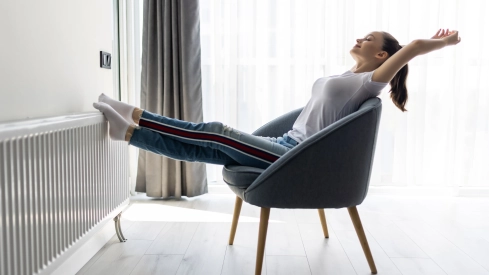
With the arrival of winter, preparing the heating is one of the tasks that should be done at home. One of the most important steps is to bleed the radiators, a simple process that allows to eliminate accumulated air inside them and helps heat to be distributed more uniformly.
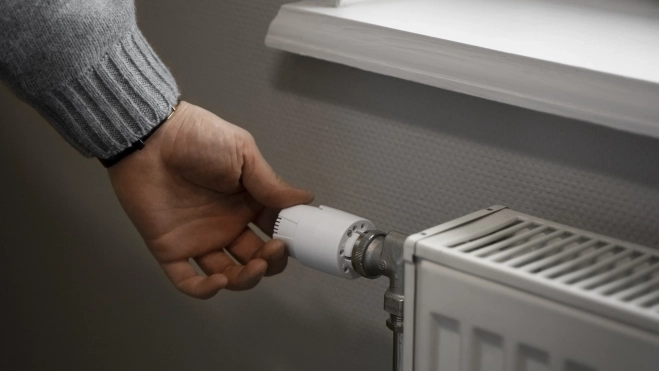
When radiators have air, they may take longer to heat up, make noises, or remain cold at the top. Therefore, checking their condition before regularly turning on the heating allows detecting possible problems and improving the system's operation.
Why it is important to bleed radiators before winter
Bleeding radiators allows eliminating air pockets that hinder the circulation of hot water through the heating system. When air accumulates inside, the radiator may not heat up completely and the home may take longer to reach a comfortable temperature.
One of the most common signs is noticing that the top of the radiator is cold while the bottom does emit heat. Gurgling or noises may also appear when the heating is on.
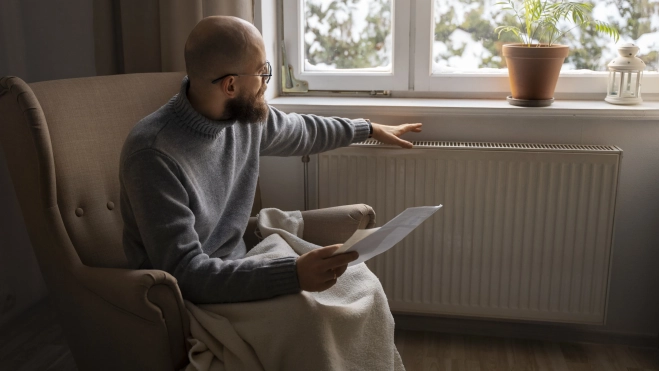
Performing this maintenance before temperatures drop helps ensure that radiators are working correctly. However, bleeding them alone does not guarantee savings on the bill, as consumption also depends on the home's insulation, the selected temperature, and the condition of the installation.
How to bleed radiators step by step
Bleeding radiators is a task that can be done at home without the need for complicated tools. Before starting, you must turn off the heating and wait for the radiators to cool down to avoid possible burns.
These are the steps you should follow:
Turn off the heating, let the radiators cool down before manipulating the bleed valve. Next, locate the valve, it is usually found at one of the upper ends of the radiator, then, place a container underneath, take a glass or a small container and a cloth to collect the water. Open the valve little by little, use an appropriate bleed key and turn slowly until air begins to come out. Do not remove the valve completely. Wait for the water to come out and when air stops coming out and water flows continuously, close the valve carefully.
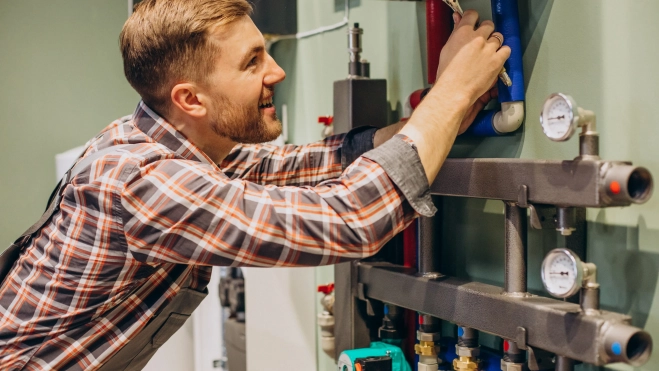
Finally, check the boiler pressure, check the pressure gauge and follow the manufacturer's instructions if it is necessary to adjust the pressure. In homes with several radiators, it is advisable to check all devices, as air can accumulate in more than one. If after the process any of them still do not heat up correctly, there may be another problem in the installation.
What to check after bleeding the radiators
Once the process is finished, turn on the heating and check that the radiators heat up uniformly. It is also important to check the boiler pressure, because it can vary after bleeding. If the radiators are still cold at the top, make noises or the heating does not work correctly, it may be necessary to repeat the check or contact a professional.
Bleeding the radiators before winter is a simple way to prepare the heating for the cold. With this check and proper use of the thermostat, it will be easier to maintain a comfortable temperature at home and detect possible failures before the period of greatest use of heating arrives.
