The calendar once again marks Friday the 13th, and with it, superstitions about one of the dates considered to be of bad omen in a large part of the Western world return. For some, it is a day to avoid important decisions, trips, or even weddings; for others, it is simply an opportunity to remember some of the most well-known horror movies in history.

This Friday, November 13, 2026, once again sparks curiosity about the meaning of this date and its relationship with bad luck. Although there is no definitive historical explanation for the origin of this belief, its fame has been built from different religious traditions, historical accounts, and cultural references. To all this, cinema is added. The film 'Friday the 13th', released in 1980, further popularized this day thanks to the story of Jason Voorhees, one of the most recognizable characters in the horror genre.
Why is Friday the 13th considered an unlucky day?
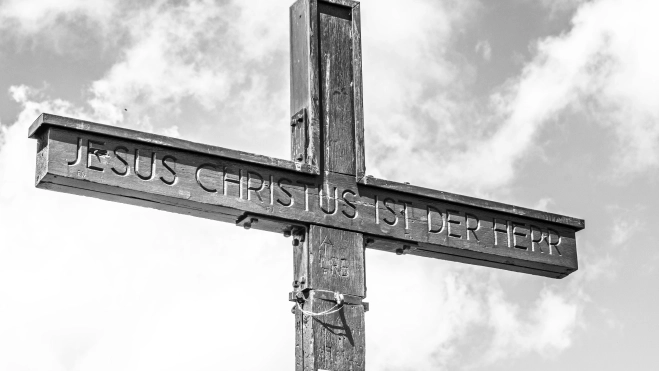
The superstition of Friday the 13th is usually explained through the union of two beliefs that acquired a negative connotation separately: Friday and the number 13. On the one hand, Friday is related to the Christian tradition, as it is considered the day of the week on which Jesus Christ was crucified. On the other hand, the number 13 has carried a negative reputation for centuries, linked, among other interpretations, to the Last Supper. According to popular tradition, Jesus and his twelve apostles participated in that meeting, so Judas would have been the thirteenth diner.
There is also a historical reference that is often related to the origin of this superstition. On Friday, October 13, 1307, King Philip IV of France ordered the arrest of numerous members of the Order of the Temple, known as the Knights Templar. Many were imprisoned and subjected to torture during the persecution. However, historians do not consider it proven that this event is the origin of the belief. In fact, the association between Friday and the number 13 seems to have consolidated much later, through different stories and traditions.
Superstition is not the same in all countries either. In Spain and other Spanish-speaking places, the day traditionally associated with bad luck is Tuesday the 13th, as the well-known saying reminds us: "On Tuesday, neither marry nor embark." In Italy, however, the number usually associated with bad omens is 17.
What does Jason have to do with Friday the 13th?
The relationship between Jason Voorhees and this date comes from the popular film saga 'Friday the 13th'. The first film hit theaters in 1980 and turned the name of this day into an essential reference for horror movie fans. The story unfolds at Camp Crystal Lake, a place marked by the death of a boy named Jason years earlier. When a group of young people tries to prepare the facilities for its reopening, a series of murders begin to occur.
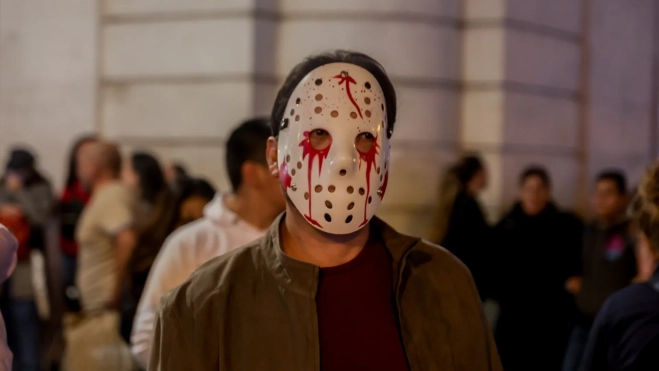
However, there is a detail that many viewers are unaware of: Jason is not the killer in the first film. The person responsible for the crimes is his mother, Pamela Voorhees, who seeks to avenge her son's death. Jason appears at the end of the film, but his prominence as a killer comes in subsequent installments. Another of the character's most recognizable elements is his famous hockey mask. Although today it is impossible to separate that image from Jason, it did not appear in the first film, but in the third installment of the franchise, released in 1982.
Over the years, the saga accumulated sequels and turned Jason into one of the great icons of horror cinema. His machete, his mask, and Camp Crystal Lake ended up becoming part of the collective imagination, reinforcing the association between Friday the 13th and fear. Thus, a superstition that already existed long before the arrival of cinema found a new way to stay alive in Hollywood. Every time the calendar marks this date, Jason's story reappears among the most popular references of a day that continues to arouse curiosity.
Contact
We are listening. Get in touch.
