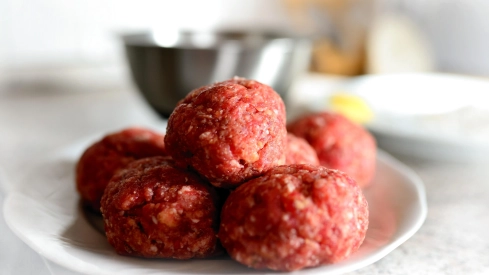
Listeriosis has returned to the forefront with the start of the trial in Seville for the 2019 outbreak related to the "La Mechá" brand of shredded meat, produced by the company Magrudis. The health crisis left four dead, more than 200 people affected, and several miscarriages related to the infection. The case became one of Spain's main food alerts and focused on food safety controls.
The judicial procedure seeks to clarify the responsibilities of those involved in the manufacturing and commercialization of the contaminated product, as well as to determine the possible criminal and economic consequences. The Provincial Court of Seville has granted an additional week to try to reach an agreement between the parties, including the claims of the victims.
But what exactly is listeriosis, how is it transmitted, and why can it be so dangerous? The disease is caused by a bacterium that can be found in contaminated food and, although it causes mild symptoms in many people, it can be serious in certain population groups.
What is listeriosis?
Listeriosis is an infection caused by the bacterium Listeria monocytogenes. It is mainly transmitted by consuming contaminated food and can affect both the digestive system and other parts of the body. The bacterium can survive and multiply at refrigeration temperatures, so storing food in the refrigerator does not, by itself, guarantee that it is safe.
Among the products that can transmit the infection are meat products prepared for consumption without cooking, dairy products made with unpasteurized milk, some smoked fish, and certain ready-to-eat refrigerated foods. The risk depends on the product, its preparation, storage conditions, and possible contamination.
Although a healthy person can overcome the infection without major complications, listeriosis can be especially dangerous for pregnant women, newborns, the elderly, and those with weakened immune systems. In these groups, the disease can cause serious complications and, in some cases, be life-threatening.
What are the symptoms?
The symptoms of listeriosis can vary depending on the person and how the infection manifests. In mild cases, it can cause fever, diarrhea, nausea, muscle aches, and general malaise. Digestive discomfort can appear after consuming contaminated food, although the time of onset varies.
In more severe cases, the bacteria can reach the nervous system and cause headache, stiff neck, confusion, loss of balance, or seizures. These manifestations require urgent medical attention, especially if they appear in vulnerable people or are accompanied by fever.

During pregnancy, the infection can present mild symptoms in the mother, similar to those of a flu, but have significant consequences for the fetus. Among the possible complications are miscarriage, premature birth, and serious infections in the newborn. If listeriosis is suspected, especially during pregnancy, it is important to consult a healthcare professional.
What happened with the "carne mechada"?
The outbreak was detected in the summer of 2019 and was linked to the consumption of "carne mechada" (shredded meat) from the brand La Mechá, produced by Magrudis in Seville. Health investigations identified the presence of Listeria monocytogenes and alerts were activated to withdraw affected products and prevent them from reaching consumers.
The crisis had serious consequences: four people died, more than 200 were affected, and abortions related to the infection were registered. The alert also generated concern among consumers and questioned the control mechanisms for prepared foods, as well as the speed with which health risks are detected and communicated.
The case went to court to determine how the contamination occurred and who should be held responsible for its consequences. Among the main accused are members of the family linked to the management of Magrudis. The Public Prosecutor's Office has requested prison sentences for several of them, although the accusations' requests do not equate to a firm conviction.
How can it be prevented?
The prevention of listeriosis depends, to a large extent, on safe food handling. It is important to keep the refrigerator at an adequate temperature, respect expiration dates, clean kitchen surfaces and utensils, and avoid contact between raw foods and ready-to-eat products.
It is also advisable to cook meat thoroughly and follow the storage instructions for packaged products. Pregnant women, the elderly, or immunocompromised individuals should pay special attention to health recommendations regarding ready-to-eat refrigerated foods, cheeses made with unpasteurized milk, and other higher-risk products.
The 2019 outbreak demonstrates the importance of food safety and a rapid response to any suspicion of contamination. While Justice analyzes the responsibilities for what happened in Seville, the case continues to remind us that a bacterium present in food can have very serious consequences when prevention and control measures fail.
