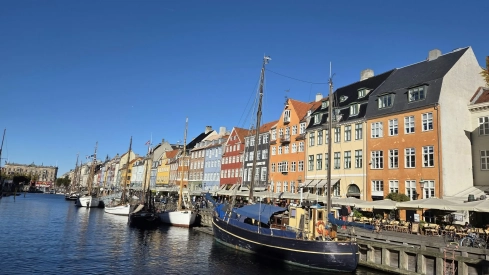
The city moves at the pace of a bicycle, without the sudden blare of horns or commotion. A capital of ten. Ten districts headed by Nyhavn, which, built by the "royal imperative" of Christian V, has become the most photographed canal, shaking off the bad reputation it was once embroiled in.
Did Hans Christian Andersen sense or witness the change? Nyhavn was the favorite corner and where the author of The Ugly Duckling -that duckling that over time became a beautiful swan-, The Princess and the Pea, The Steadfast Tin Soldier, or The Little Mermaid, to whom the city pays homage with a small statue that, despite its size, has magnified the city, lived for many years. For centuries, the place was the commercial epicenter for sailors and cargo ships that left their mark on the waters of its canals, which only at the beginning of this century regained enough strength to be traversed by kayaks, pulled by paddle paddles, breaststroked by swimmers, or sailed by boat, undoubtedly one of the best ways to delve into the canals and the heart of its history.
Wooden sailboats moored and boats accommodated on the banks of the canal - some converted into homes - but always less aged than the buildings behind them, survivors of the devastating fire of the late 18th century and the British bombardment of the early 19th century.
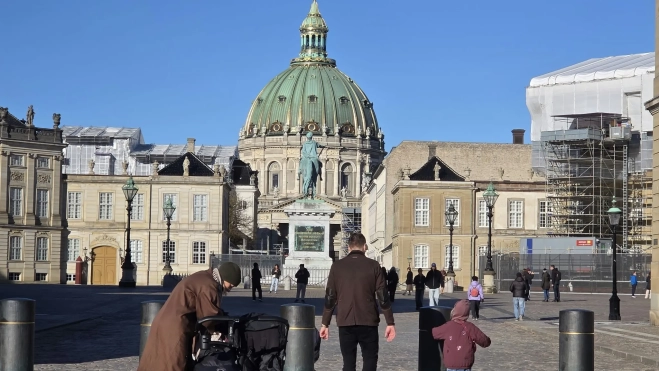
A tourist route that combines this historical past and the dazzling architectural present, passing by the Opera, the Royal Library - known as the black diamond -, the Church of Our Saviour, the Stock Exchange building, the Vor Frelsers Kirke church, Amalienborg Palace, Marmorkirken, and The Little Mermaid.
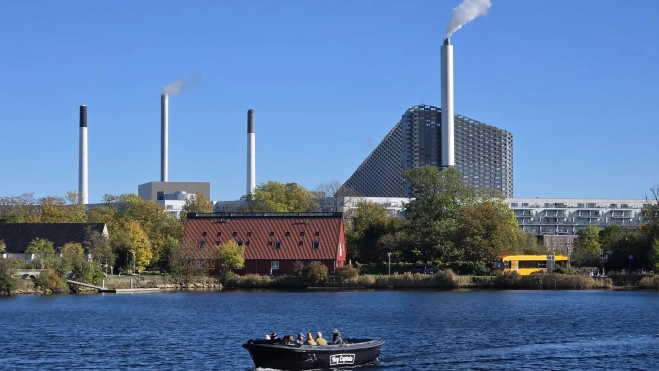
A journey full of surprises; treasures behind the silent bricks that narrate the sweet commercial past of the sugar refinery; the illuminated life of lamp manufacturer Louis Pulsen; the rolling march of Victrix, capable of manufacturing more than one and a half million bicycles; the fragrances of spices and grain accumulated in warehouses that have hardly been transferred to new uses; the emerging music of Cap Horn, a jazz club from which La Papa Blue's Viking Band emerged, nothing like the group Gasoline, considered the most important rock band in Denmark, whose cradle was Christianshavn, which, like the Amager Bakke incinerator, can be glimpsed during the journey. Copenhagen wants to be the first fossil fuel-free city in the world by 2040. Problems with carbon capture systems prevented it from achieving the goal of absolute neutrality last year.
Without as many hours of sun as they would like, with less light than they crave, Copenhagen has cleared clouds from the horizon and has become the happiest city in the world. Urban design, safety, sustainability, and quality of life have contributed to this.