The Congress of Deputies has approved this Thursday the reform of the Penal Code to punish with prison sentences the so-called LGTBI conversion therapies, practices aimed at modifying, repressing or denying a person's sexual orientation, sexual identity or gender expression. The initiative, promoted by the Socialist Party, has gone ahead with 178 votes in favor, 32 against from the far-right Vox and 137 abstentions from the Popular Party, and will now continue its process in the Senate.
The norm contemplates penalties of six months to two years in prison and fines of eight to twenty-four months for those who apply or practice these methods, even when there is consent from the victim or their legal representative. Until now, these practices were already prohibited by the Trans Law of 2023 as a very serious administrative infraction, with sanctions of up to 150,000 euros, but they were not listed as a crime in the Penal Code.
A heated debate on the eve of Pride
The vote came in a week marked by the start of the LGTBI Pride celebrations and after a particularly harsh debate in the chamber. The Minister of Equality, Ana Redondo, has defended that these practices are "a form of violence against the dignity of people." The socialist deputy Víctor Gutiérrez has positioned the law as a response to those who for years made LGTBI people believe that they had something to correct or hide.
The toughest clash occurred with the deputy of the Popular Party, Jaime Miguel de los Santos, who claimed his belonging to the collective and to the PP with a phrase that marked the session. "I am from the PP and a faggot, and I am proud of both things," he said from the rostrum. His group has defended that the law was necessary, but has rejected that cases where there is consent are also punished, a position that the rest of the groups have questioned due to the weight that family, social or religious pressure usually has in these situations.
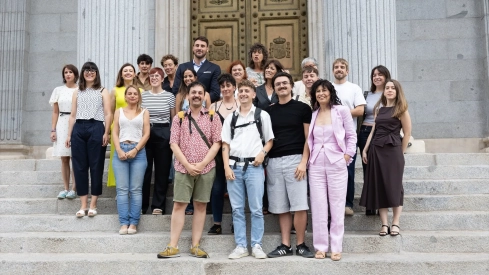
The ultras of Vox have voted against and have accused the parliamentary majority of wanting to prevent anyone from "doubting their homosexuality" or going to a psychologist or a priest. Against this thesis, PSOE, Sumar, ERC, EH Bildu, PNV, Podemos, Compromís, and Junts have argued that these practices are not accompaniment, but mechanisms of pressure on LGTBI people. Several partners have regretted, however, that the text does not include economic aid or housing alternatives for victims expelled from their homes or subjected to family rejection, with whom they met before the vote outside the Chamber.
Nuestros diputados @victorg91 y @belitagl han acompañado hoy a la ministra de Igualdad en un encuentro con colectivos contra las terapias de conversión.
— PSOE Congreso (@gpscongreso) June 25, 2026
Como ha dicho nuestro diputado en pleno, "las terapias de conversión son tortura y por eso las vamos a prohibir". pic.twitter.com/8aHoq3QFhu
The reform is now pending in the Senate, where some groups want to adjust the wording to close spaces of ambiguity without reducing protection. The step taken this Thursday, in any case, leaves a clear majority in Congress in favor of criminally prosecuting practices that LGTBI entities have been denouncing for years as covert violence under the guise of therapy.
Add ElConstitucional.es as a preferred Google source for free.
Stay informed about all the latest breaking news with the best information. Against disinformation, for democracy and social rights.
