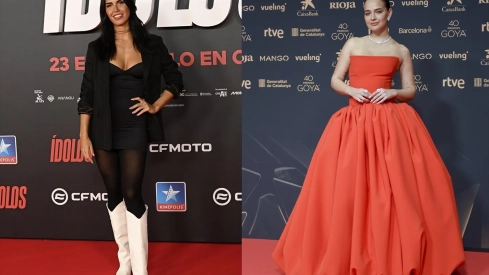
Laura Escanes and Sofía Suescun have reported threats and insults after publicly showing their support for Pedro Sánchez, a reaction that turned their campaign videos into a new focus of political clash on social media.
The two content creators joined the trend of the viral song "I am going to vote for you, Pedro Sánchez" and, shortly after, shared hostile messages received on their profiles. The case has reopened the debate about the cost of expressing opinions openly in the midst of an election campaign.
Escanes exposes the messages and responds to the wave of reproaches
Laura Escanes, with more than two million followers, published a video on TikTok with Abel Planelles and Olga Ríos dancing to the rhythm of the song that has become one of the phenomena of the campaign. The publication went viral and even received a comment from the President of the Government himself: "Let's go, guys!"
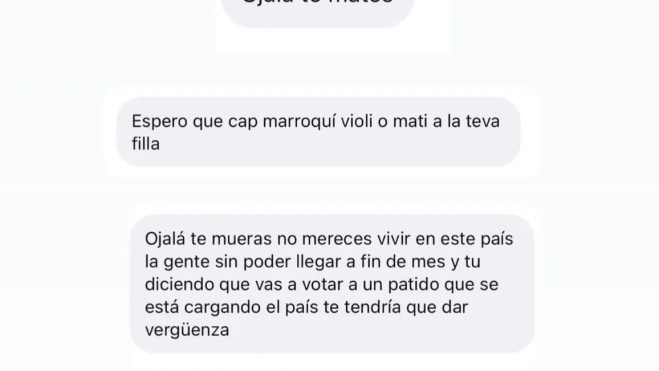
The most visible response, however, came later. In her Instagram stories, the Catalan shared screenshots with messages like "I hope you die" or "Be very careful doing PSOE propaganda. You are on the list, you don't want an orphaned daughter."
The images reflect the tone of the intimidation, but do not by themselves identify all the authors or measure the full extent of the attacks. Escanes accompanied the screenshots with a brief "Good morning, I guess" and then indirectly criticized other colleagues who had supported the attack on her publication.
The controversy spread when Claudia Romero published a video in which she questioned the reaction generated by Escanes' support for the PSOE, a message that was seconded by creators such as María Pombo, Rocío Camacho, Laura Matamoros, Ainhoa Rosado and Issa Moreno. Pombo wrote "amen," although she later clarified that she did not intend to endorse the insults, but rather to defend each person's freedom to say who they will vote for without threats.
Suescun joins the viral gesture and denounces the harassment
Sofía Suescun, winner of Big Brother 16, also shared a video exercising to the rhythm of the same song. Her publication, which accumulated millions of views, ended up provoking a similar hostile reaction on her networks.
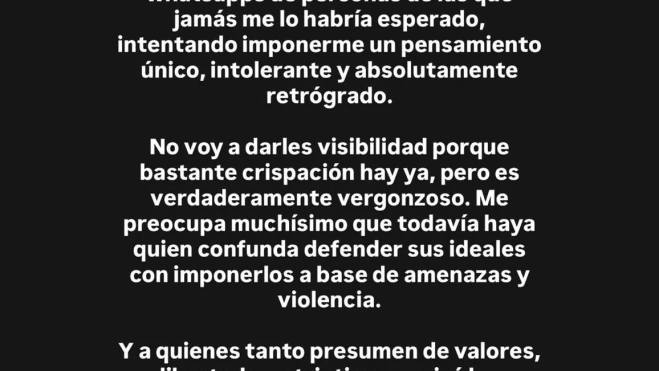
The influencer explained that she had woken up to messages of hate, insults and threats, even from people from whom she did not expect such behavior. "I am not going to give them visibility because there is already enough tension," she wrote, before adding that she is concerned that some confuse defending their ideas with imposing them "through threats and violence."
Suescun closed her message with a criticism of those who present themselves as defenders of freedom and patriotism while attacking those who think differently: "Perhaps it would be good for them to start by respecting those who think differently."
Social media is already another campaign scenario and the clash remains open
The cases of Escanes and Suescun are part of a campaign in which more content creators have abandoned the usual distance from politics to show their electoral preferences. This movement has moved the confrontation from rallies to Instagram, TikTok and other spaces where reactions multiply rapidly.
While some influencers have shown sympathy for Pedro Sánchez and for progressive options, others have questioned these positions or applauded critical messages. Names such as Jessica Goicoechea, Dulceida, Alba Paul or Aitana also appear on this board, having participated in various ways in the conversation these days.
For now, the controversy remains open: one part of the debate revolves around the vote, but the other focuses on the line between political disagreement and personal harassment on social media.
Contact