The door for Spain to return to Eurovision in 2027 is somewhat more open, although RTVE has not yet made a decision. The European Broadcasting Union has approved several changes after an edition marked by the withdrawal of Spain, the Netherlands, Ireland, Iceland, and Slovenia in protest of Israel's participation.
The most striking novelty affects the host city. From now on, winning Eurovision will no longer automatically guarantee the organization of the next edition. If the winning country is immersed in an armed conflict or is going through a geopolitical situation that compromises security, the EBU may commission an independent evaluation and move the festival to another territory.
The rule would prevent countries like Israel or Ukraine from organizing the contest while current security conditions persist, even if they achieve victory. The measure only affects the host city and does not prevent Israel from continuing to participate, the issue that led the RTVE Board of Directors to abandon Eurovision 2026 and also to refuse to broadcast it.
The new regulations also raise the minimum age of artists from 16 to 18 years and limit the use of pre-recorded voices. The main voice must perform the entire melody of the song live, while backing tracks may be used without unduly replacing or reinforcing the singer.
The debate about a possible return has even reached public television programming. TVE's 'Mañaneros 360' has summarized the changes under the banner "Blow to Israel in Eurovision: is Spain returning?", although the program itself has reminded that there is still no official confirmation.
🔵Golpe a Israel en Eurovisión: ¿vuelve España?
— Mañaneros 360 (@MananerosTVE) August 14, 2026
La Unión Europea de Radiodifusión cambia sus normas para que un país en guerra no pueda ser anfitrión del certamen de la canción
Pedro Piqueras da su opinión en 'Mañaneros 360'#Mañaneros14Ahttps://t.co/N4IyyxPs6v pic.twitter.com/k8BEx3trdF
Several gestures towards Spain, but Israel continues
In addition to the modification of the regulations, Moroccanoil has left. The Israeli company has decided not to renew its main sponsorship after six editions, so it will no longer be linked to the festival from 2027. The EBU will now have to find a new brand to occupy one of the most visible commercial spaces of the contest.
The organization also continues to include Spain within the 'Big Five', the group of broadcasters that contribute the most financially to the festival and directly access the final. The 2027 rules still reserve a spot for RTVE along with France, Germany, Italy, and the United Kingdom, despite its absence in Vienna.
There are also changes on the table for the televote. The EBU is studying moving it entirely to the internet and requiring each viewer to choose several songs, a formula designed to reduce organized campaigns and votes concentrated on a single candidacy. The reform is still under study and is not part of the approved rules.
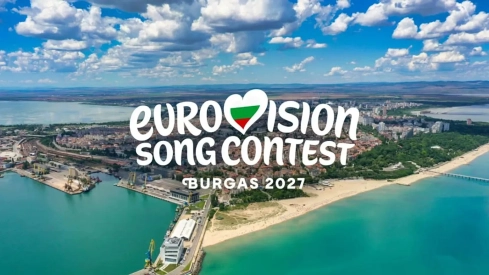
Eurovision 2027 will be held on May 11, 13, and 15 in Burgas, after the victory of Bulgarian Dara with 'Bangaranga'. Spain maintains its participation in Junior Eurovision and Benidorm Fest continues as an independent festival, but RTVE has not yet confirmed its return to the adult contest nor has it withdrawn its refusal to compete alongside Israel.
Add ElConstitucional.es as a preferred Google source for free.
Stay informed about all the latest breaking news with the best information. Against disinformation, for democracy and social rights.
