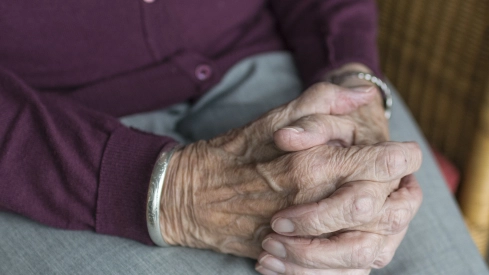
Living longer does not always depend on spending hours at the gym or following demanding sports routines. American researcher Dan Buettner, specialized in longevity and known for his work on the so-called Blue Zones, has focused on a much simpler habit: walking daily and incorporating physical activity into commutes and usual tasks.
His research on some of the longest-lived populations on the planet points to a common pattern: their inhabitants do not need to set aside a specific time of day to train, but rather maintain an active lifestyle naturally. Walking to work, tending the garden, traveling on foot, or doing household chores are some of the activities that are part of their routine.

The idea is simple: moving constantly throughout the day can be easier to maintain than relying exclusively on scheduled exercise sessions. This does not mean that sport is not beneficial, but that daily physical activity also plays an important role in health.
The Blue Zones and the secret of those who live beyond 100 years
Dan Buettner has dedicated more than two decades to studying the so-called Blue Zones, five regions of the world that stand out for their high concentration of centenarians. These are Okinawa (Japan), Sardinia (Italy), Nicoya (Costa Rica), Ikaria (Greece), and Loma Linda (California, United States).
In these territories, the researcher has identified a series of shared habits that could contribute to a longer life expectancy. One of the most notable is natural physical activity, integrated into daily obligations and commutes. Instead of relying on high-intensity workouts or long sports sessions, their inhabitants maintain routines that require them to be in motion. Walking, working in the fields, tending gardens, or traveling on foot are part of their daily lives.
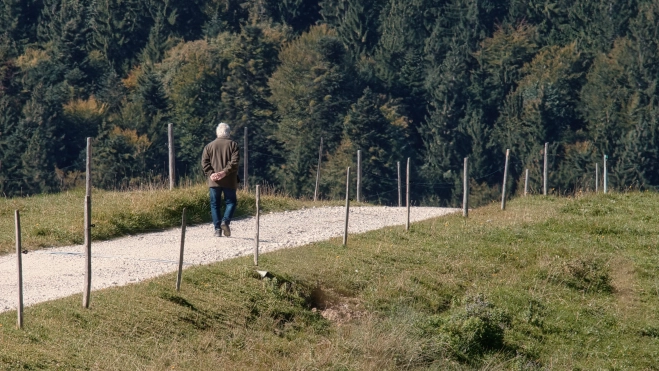
Buettner summarizes this philosophy with an idea: "The people who live longer move naturally. They don't exercise, but they live in environments where every movement is walking". The researcher also argues that a daily walk can provide a very important part of the benefits associated with more demanding physical activity.
Is daily walking also related to lower mortality?
The importance of incorporating small walking displacements into the routine is not limited to observations made in the Blue Zones. Different scientific investigations have found a relationship between habitual walking and certain health benefits. A study published in the journal BMJ Public Health in 2024 analyzed 11,539 people over 70 years old and observed that those who walked for their displacements had a lower risk of mortality than those who never did. The research registered an approximate reduction of 25% among those who walked at least once a week, although its results show an association and do not by themselves demonstrate a cause-and-effect relationship.
Diet also plays a prominent role in the habits of the longest-lived populations. Legumes, vegetables, fruits, whole grains, and nuts are part of a predominantly plant-based diet with reduced consumption of ultra-processed products.

To these factors are added social relationships, family ties, rest, and the existence of a life purpose. Therefore, longevity does not depend on a single habit, but on the combination of different factors related to lifestyle and the environment in which it develops.
Contact
We are listening. Get in touch.
