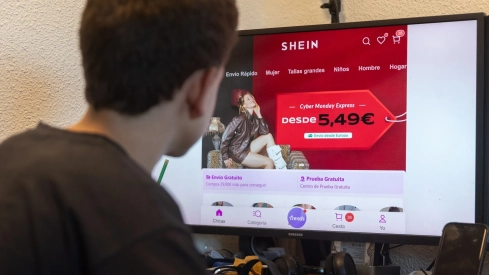
The European Union takes another step in its strategy to control the volume of imports from third countries. As of this July 1st, the so-called 'Shein Tax' comes into force, a new tariff of three euros that will affect packages acquired outside the community market with a value of less than 150 euros. Platforms such as Shein, Temu, or AliExpress will be some of the most impacted by a measure that seeks to reduce the massive entry of low-cost products coming, mainly, from China.
The decision, announced by community institutions months ago, is now a reality. Although doubts arose in recent weeks about a possible halt to the initiative, the European Commission has confirmed its application, citing the "significant increase" in this type of shipment to European Union countries.
The main objective of the new tax is to limit the enormous quantity of packages that arrive daily at European borders. According to data handled by Brussels, the bloc's customs receive around 15 million shipments of these characteristics every day, a figure that complicates inspection and verification tasks to ensure compliance with community regulations.
The measure particularly affects e-commerce giants such as Temu, Shein, and AliExpress, which have based part of their growth on the sale of low-priced products shipped directly from non-EU countries. The European Commission insists that the reform aims to strengthen controls and ensure that marketed items comply with European safety and quality standards.
Brussels has also clarified who will bear this new cost. Consumers "are not legally responsible" for paying the fee. The obligation will fall on e-commerce platforms or importing companies that introduce products into the European market. However, companies may decide whether to pass that cost on to the final price paid by the customer, a matter they consider a "business decision."
Another notable aspect of the regulation is how the surcharge will be applied. The three euros will not be charged per complete package, but per product category included in the shipment. Thus, an order containing different items will be subject to several charges, while several identical products within the same purchase will only generate a single fee.
The new regulation will also force platforms to improve the classification of their articles and to provide more detailed information about their composition, materials used, or the presence of chemical substances, in order to comply with current community legislation.
The figures reflect the magnitude of the phenomenon. Last year, nearly 6 billion low-value products entered the European Union, with an approximate average price of 8.82 euros. Despite this, the European Commission emphasizes that the new tax does not aim to increase public revenue, but rather to "end an exception and create a level playing field" so that European companies can compete under similar circumstances against large international operators.
Add ElConstitucional.es as a preferred Google source for free.
Stay informed about all the latest breaking news with the best information. Against disinformation, for democracy and social rights.
