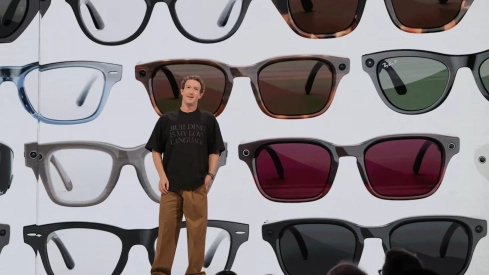
Meta's smart glasses aspire to become an alternative to mobile phones, but their growth is beginning to encounter an obstacle: privacy. The devices developed with EssilorLuxottica, manufacturer of Ray-Ban, allow users to take photos, record videos, livestream, and use artificial intelligence functions with an appearance similar to conventional glasses. Precisely this discretion has raised concerns among authorities and digital rights organizations.
The market, however, continues to grow. According to data from consultant Omdia collected by Reuters, global shipments of AI-powered glasses increased from approximately 2.1 million units in 2024 to 8.4 million in 2025. Furthermore, Meta and EssilorLuxottica's glasses accounted for 81.3% of global shipments during the first half of 2026. The company announced in July that sales of its smart glasses had practically doubled compared to the same period last year.
Europe warns of the risk of recordings without consent
Commercial expansion coincides with increased regulatory scrutiny. The European Data Protection Board (EDPB) warned last week of the risks posed by these devices, including the possibility of discreetly recording other people or capturing their conversations without their knowledge.
Norway has announced that it plans to temporarily ban the use of AI-powered glasses in certain places, while Australia is considering restricting camera-equipped devices in government buildings. For their part, data protection authorities in Italy and Austria have informed Reuters that they are investigating incidents related to the use of these glasses by students in educational centers.
Among the measures proposed by the European body are strengthening signals that warn of a recording, incorporating sound alerts, limiting live broadcasts, and automatically blurring the faces of people who appear in images. It also proposes technical restrictions in sensitive spaces, such as hospitals and schools.
Meta defends its glasses against criticism
The company maintains that its devices are designed so that the recording is recognizable. A Meta spokesperson explained that all models with a built-in camera incorporate a front light that flashes when the user takes a photo or records a video that they can share. EssilorLuxottica, for its part, assures that it works to promote responsible use of technology and that regulations must protect citizens' rights without hindering innovation.
Criticism, however, can also affect the social acceptance of the product. Ross Gerber, CEO of investment firm Gerber Kawasaki, acknowledged that concerns about privacy and the discomfort these devices can generate in other people could limit their adoption. Lawyer Louis Larere, from the French organization NOYB, defended the need for a coordinated response from authorities regarding the use of these glasses in public spaces.
A technological race that also looks to mobile
The debate comes at a time when major tech companies are looking for new ways to access artificial intelligence beyond screens. Meta's glasses allow users to listen to music, make calls, and access translation functions, in addition to capturing images and using AI tools. The competition is also preparing to enter the market. Google is working with Samsung on glasses with Gemini that, according to communicated plans, would arrive before the end of 2026, while Apple is also among the companies preparing their own devices.
Meta has also already presented audio-focused glasses without a camera, an alternative that could reduce some of the objections related to recording. However, removing the camera also limits some of the possibilities of visual artificial intelligence.
The challenge for the sector will be to maintain the appeal of these devices without turning their everyday presence into a source of distrust. Their commercial growth demonstrates that there is interest in this technology, but their expansion will also depend on how doubts about consent, third-party recording, and usage limits are resolved.