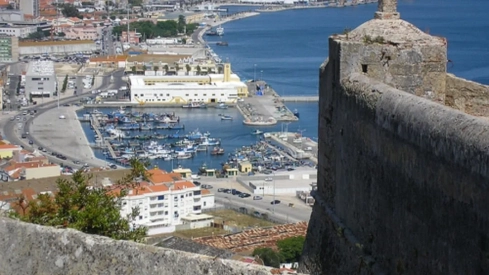
The resurgence of Setúbal as a cargo port is due to John II, promoter of Bocage Square, the heart of a city that dedicates its longest avenue to Luisa Todi. If it is already strange that it bears a woman's name, that she is an opera singer is unusual.
It maintains to this day the category of the country's second-largest cargo port; only Sines, from where crude oil is distributed, surpasses it. So many ships loaded with oranges departed from Setúbal that countries like Algeria and Romania knew this citrus fruit by the name of Portugal. Centuries earlier, Phoenicians and Romans worked with salted fish, made garum – the ruins can be visited inside the tourist office – and produced salt in the Sado River estuary. The port's current activity is less poetic but profitable, ensuring that many VW vehicles make their first kilometers by sea until they reach their destination.
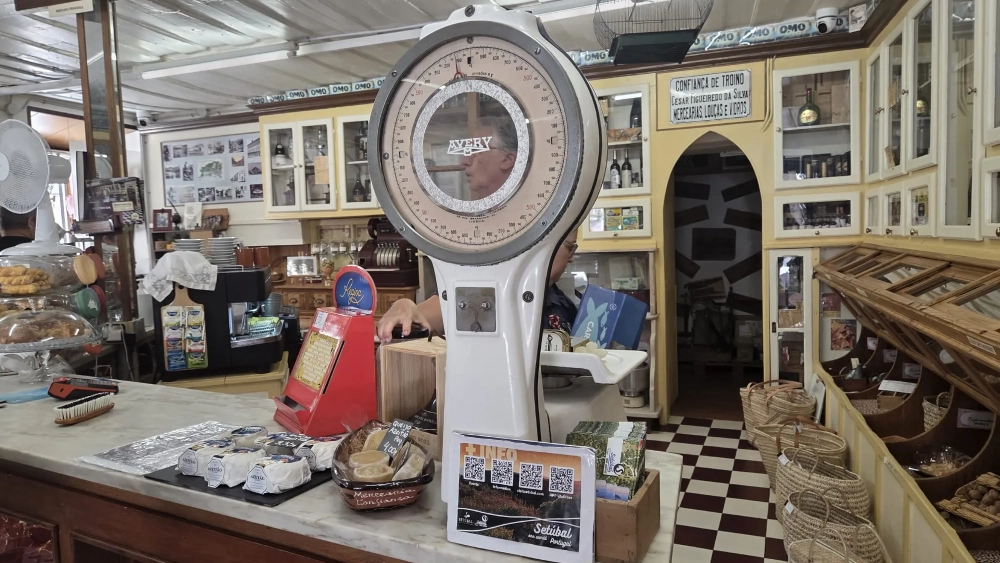
The city of 125,000 inhabitants has the privilege of looking directly at the desired Troia peninsula, where Nicole Kidman or José Mourinho have homes, and Harry and Meghan, Rania of Jordan, or Louboutin are regulars. All enjoy wild beaches and golf courses, but if they want to understand Setúbal's history, they need to visit the Mercearia Confiança de Troino, a century-old grocery store where fishermen, residents of the oldest neighborhood, and women who worked in the 40 canning factories that once existed, used to shop.
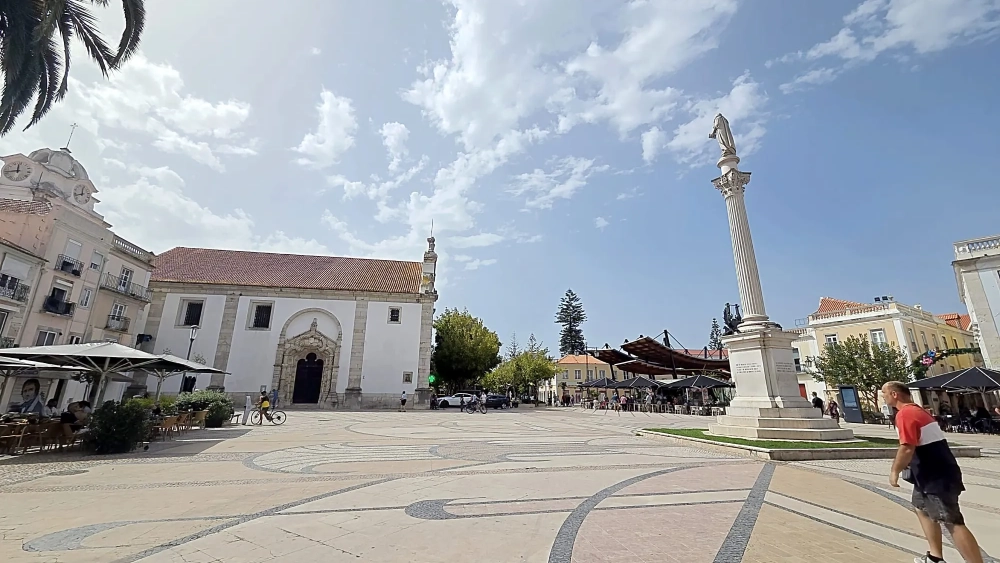
A few minutes' walk through the city center, Bocage Square pays homage to the poet whose statue rises on a pedestal embedded over the remains of ancient salting factories, without losing sight of the town hall, last modified one day before the Carnation Revolution, nor the Church of San Julián, with its Manueline portals capable of resisting the onslaught of the Lisbon earthquake.
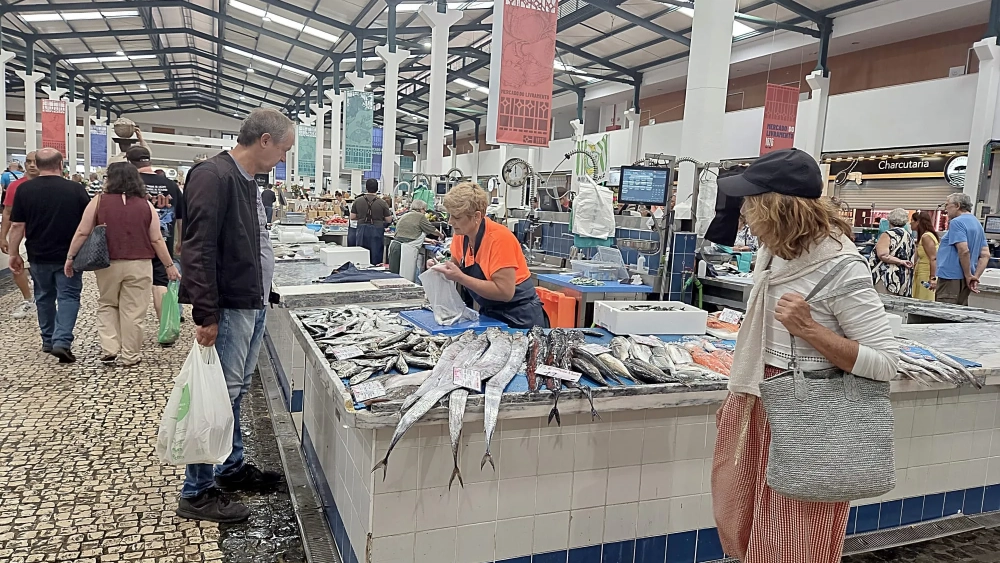
At number 163 of that long street Luisa Todi, is the Mercado do Livramento, an emblem of the most Instagrammable and the reason why many visitors come to Setúbal. Those who never fail are the fishermen who come early in the morning to unload their boats and make the result of their fishing available to customers.
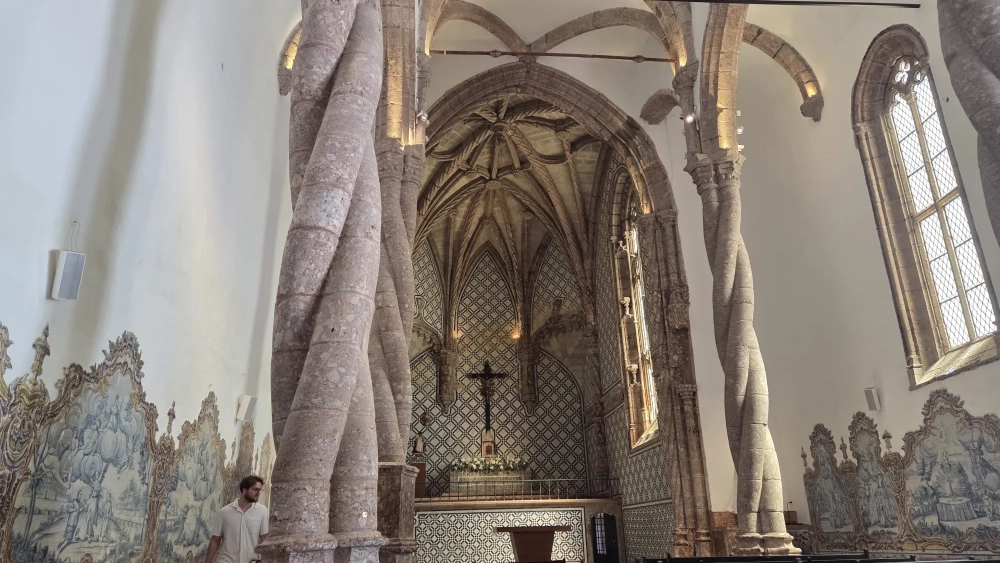
Another good reason to visit the city is the church of the Old Convent of Jesus, where the Poor Clares resided, cradle of Manueline and the place where the Treaty of Tordesillas was ratified.
And, despite not having, like all the high towns around Lisbon, a castle from the Muslim era, Setúbal has the Fortress of San Felipe and remains of the wall that protected it.