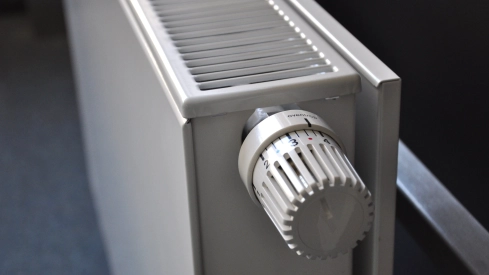
With the arrival of autumn and the drop in temperatures, many families begin to turn on the heating to keep their homes warm. However, choosing the right temperature for the thermostat is important to prevent the electricity or gas bill from increasing too much.
Experts in climate control and energy saving advise keeping the heating between 19 and 21 degrees during the cold months. In many homes, programming the thermostat to 21 degrees can be enough to be comfortable without spending more energy than necessary. The ideal temperature also depends on each home. The insulation of the walls and windows, the orientation of the house, and the type of heating influence how heat is conserved.
At what temperature should you set the heating in autumn to spend less?
To combine comfort and savings, specialists recommend keeping the thermostat between 19 and 21 degrees. Although raising the temperature may seem like a good way to heat the house, doing so more than necessary increases energy consumption.
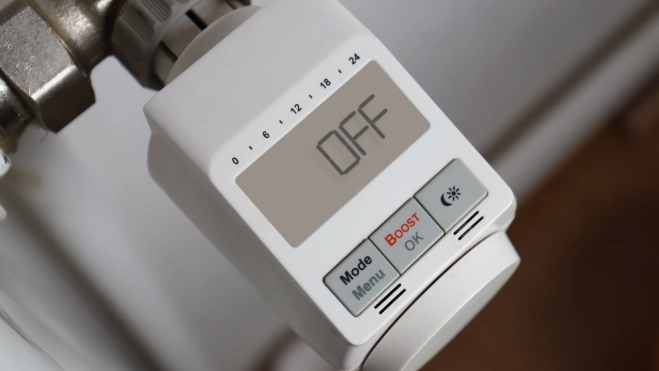
In fact, each additional degree can increase spending by between 5% and 10%, according to usual energy efficiency estimates. Therefore, it is advisable to avoid setting the heating to very high temperatures if it is not necessary. It is also important to adapt the use of heating to the needs of each home. Not all rooms need the same temperature, and bedrooms, for example, can be kept cooler than the living room.
What tricks help save on the heating bill?
In addition to regulating the thermostat, there are several simple habits that help conserve heat and reduce energy consumption. One of them is to close the doors of rooms that are not used, whenever the heating system allows it, and avoid placing furniture or objects in front of radiators so that hot air circulates correctly.
Another useful measure is to place weatherstripping on doors and windows to reduce drafts. Curtains, rugs, and good insulation also help maintain a pleasant temperature inside the house. Taking advantage of sunlight during the day allows rooms to be heated naturally. At night, it is advisable to lower the blinds to prevent accumulated heat from being lost. In addition, it is convenient to ventilate the house for a few minutes to renew the air without cooling the rooms too much and to check the heating before the most intense cold arrives.
In short, maintaining a moderate temperature and avoiding unnecessary consumption are two key measures to save on the bill during autumn and winter.
