Europe experienced another day of tension this Friday due to bomb threats received on different commercial flights. At least 16 aircraft have been affected by the alerts, which have reached airports in countries such as Spain, the Czech Republic, Denmark, Portugal, Hungary, and France. This is the third consecutive day that these types of warnings have been registered, after false threats affected dozens of flights on Thursday and forced the activation of different security devices.
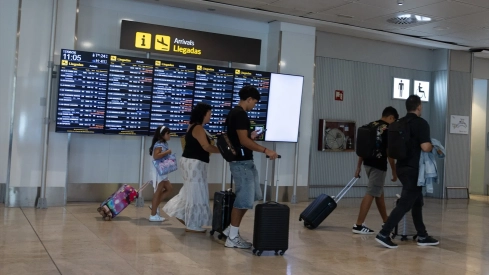
One of the affected airports was Adolfo Suárez Madrid-Barajas, which received a communication about four arriving flights: three from London and one from Munich. As confirmed by Aena, the security protocol was activated and a committee was formed with the State Security Forces and Corps. After checks, the authorities ruled out any danger to passengers.
So far, no explosive device has been found on the affected planes and the inspected aircraft have landed without incident. However, the succession of alerts has forced increased vigilance and has rekindled concern about a possible coordinated destabilization campaign in different parts of Europe.
Which flights have been affected by bomb threats in Europe?
The alert had a particular impact on Prague airport, where threats against at least eight flights were registered. Among them were aircraft from Spain, Denmark, and the United Kingdom, as well as other routes destined for the Netherlands, Cyprus, Romania, Italy, and the United Kingdom. Although no explosives were found, one of the Wizz Air planes covering the route between Prague and Rome had to be diverted to Venice, where it landed without problems.
In Portugal, the Police investigated a threat against a Ryanair flight covering the route between Rome and Lisbon. The plane was inspected after landing in the Portuguese capital and, once the danger was ruled out, it was able to resume its journey to Rome with more than two hours of delay. The alert affected both the inbound and outbound flights.
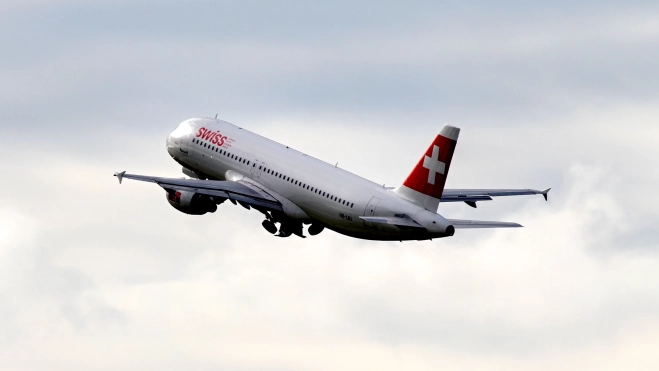
Alerts have also been registered in Hungary, where the Army deployed three Gripen fighters to escort several aircraft during their passage through the country's airspace. In France, authorities received four new threats against planes flying over its territory, while Danish police investigated alerts related to air traffic at Copenhagen airport. In all these cases, the flights landed without incident and initial checks ruled out risks for passengers.
Threats also reach media outlets: Ireland evacuates public broadcaster RTÉ
The wave of alerts has not been limited to air transport. Several European media companies have received emails warning of the alleged presence of explosives in their facilities. Among the affected media outlets are the Irish public broadcaster RTÉ, the British channel Sky, and the Bulgarian Nova TV. In Ireland, the facilities of RTÉ, the Irish Independent newspaper, and the Newstalk and Today FM radio stations were evacuated as a precaution. The threat forced the interruption of the public television's regular programming, which even replaced its broadcasts with music and a recorded message. Inspections also found no explosive device.
Given the succession of incidents, the European Commission has activated an information exchange mechanism among member states. The Spanish Minister of Foreign Affairs, José Manuel Albares, has warned that it does not seem a coincidence that so many episodes with the same procedure are repeated and has indicated that they could be part of an attempt at "hybrid aggression and psychological warfare".
For its part, the Irish government has warned of a possible coordinated destabilization campaign, although no perpetrators have been identified so far. Security experts also contemplate the possibility that these are coordinated actions or imitations of previous threats.
