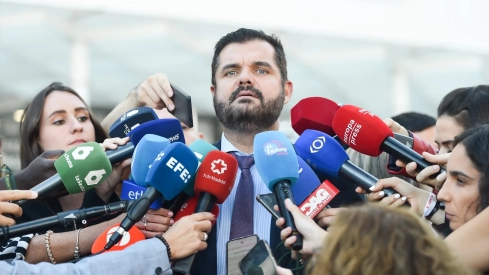
The controversy over the vote of Spaniards who obtained nationality through the well-known 'grandchildren's law' adds a new chapter. Iustitia Europa has asked the Supreme Court to identify the adult children of those who obtained nationality through this route and to provisionally suspend their electoral effects if they are registered in the Electoral Census of Absent Residents (CERA).
The petition, presented by the party's president, Luis María Pardo, seeks for the Administration to verify which parent each elector's nationality comes from and through which legal route it was obtained. Until that review is completed, the party proposes that votes can be received, but remain separate and not be incorporated into the scrutiny. The initiative joins the one presented on Monday by Hazte Oír, which also demanded to extend the suspension to the adult children of the beneficiaries of the law. However, this new extension is a request from the organizations, not a decision that the Supreme Court has already approved.
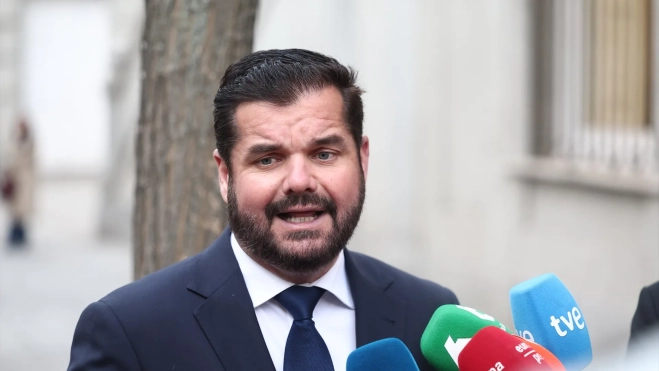
The debate is particularly delicate because it affects the fundamental right to suffrage of citizens who have Spanish nationality and reside outside the country. Furthermore, the controversy occurs a few weeks before the general elections on November 29, when the calendar for organizing the vote from abroad has already begun. Iustitia Europa argues that votes cannot be incorporated into the electoral result without first verifying the situation of their holders. The party argues that there is a documentary relationship between the nationality of the parent and that of their children that would allow for these checks to be carried out.
The party also demands that the Electoral Census Office, the National Institute of Statistics, and the competent Foreign Affairs bodies provide a list of affected electors. Its objective is for the court to determine who is included in the census and whether they should be subject to the precautionary measures already in force.
Why has the Supreme Court suspended the vote of thousands of Spaniards under the grandchildren's law?
To understand the conflict, one must go back to the Democratic Memory Law, approved in 2022. Its eighth additional provision allowed certain descendants of Spaniards, including children and grandchildren of those who had to leave Spain due to exile, to apply for Spanish nationality. The measure opened the door for thousands of people, especially in Latin American countries, to recover their legal ties with Spain. However, the judicial discussion does not focus on withdrawing their nationality, but on determining which people can exercise the right to vote in the 29-N elections.
On September 8, 2026, the Supreme Court agreed to provisionally suspend certain electoral effects of the registrations in the CERA related to this naturalization route. The measure includes exceptions for those who prove, by consular certificate, that they descend from Spaniards who suffered exile under the conditions required by the court. On October 12, the high court rejected the appeal of the State Attorney's Office and maintained the suspension. According to information published by RTVE, the decision affects 163,020 people, unless they prove the circumstances required to be able to vote.
The Supreme Court justified the measure by the risk that the census was not sufficiently checked before the elections. In its resolutions, the court warned of possible harm to the "accuracy, truthfulness, equality, objectivity and transparency" of the electoral process. The decision was not unanimous: Magistrate Alicia Millán issued a dissenting opinion, considering that the nationalities had been acquired in accordance with the current regulatory framework and that it was not appropriate to adopt that precautionary measure.
The controversy also reached the Constitutional Court. On October 21, this body rejected admitting the appeal for protection presented by the Ombudsman, Ángel Gabilondo, considering that it was premature because the judicial process in the Supreme Court was still open. Therefore, the precautionary suspension remains in force.
The Government defends the right to vote while the PP and Vox support the Supreme Court's measures
The suspension has caused a political confrontation between the Government and the parties that have promoted the judicial actions. The Executive has defended that citizens who meet the legal requirements must be able to exercise their right to vote, while the PP and Vox have insisted on the need to guarantee the regularity of the electoral roll. The President of the Government, Pedro Sánchez, has criticized that the descendants of the republican exile may be left without voting. As reported by Europa Press, the Executive maintains that it will comply with judicial orders, although it questions the decision to temporarily limit the suffrage of people who have already acquired Spanish nationality.
The Government spokesperson, Elma Saiz, assured on October 27 that the Executive "will meet the deadline" established by the Supreme Court to send the list of the 163,020 affected. The court had required the competent ministries to deliver the information before October 28. For his part, the Minister of Justice, Félix Bolaños, defended that the Government supports the nationality of the descendants of exiles. After the Supreme Court's resolution was known, he criticized the PP and stated that it had adopted a discourse of "cutting rights."
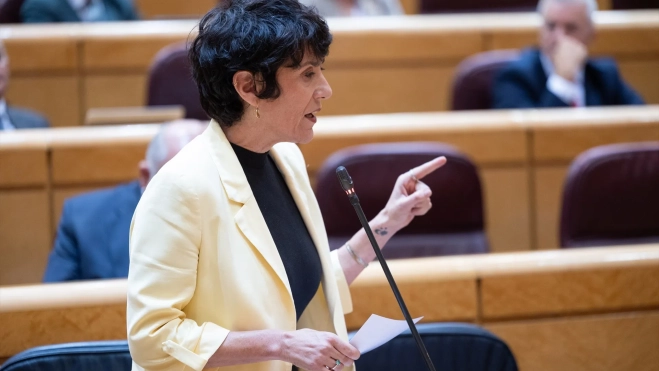
From the PP, Alberto Núñez Feijóo defended the need to review the electoral roll and celebrated the judicial resolution. "In an election there can be no doubts about the census," he affirmed, as reported by El País. Vox, which also promoted actions before the Justice system, has demanded that the precautionary measures be guaranteed before the vote. The debate, therefore, faces two fundamental issues: the need to ensure that the electoral roll complies with the law and the obligation to protect the right to vote of those who have Spanish nationality. The final decision on the scope of the measures rests with the courts, not with the organizations that have requested their extension.
Meanwhile, the new request from Iustitia Europa opens another judicial front just days before the electoral procedure advances. If the Supreme Court agrees to study the request and agrees to new measures, the review could also affect the adult children of those naturalized by the grandchildren's law who appear on the foreign census.
