
The electoral campaign is no longer played solely in rallies, televised debates, or interviews in traditional media. Politicians have found new scenarios to get closer to voters: podcasts, YouTube channels, entertainment programs, and content creators' social media. In the midst of the race for the general elections on November 29, candidates have begun to appear in spaces that gather millions of followers and allow them to reach audiences they might not otherwise reach.
One of the most recent examples is Jordi Wild. The content creator has managed to bring together Pedro Sánchez, Alberto Núñez Feijóo, and Ada Colau on his program, 'The Wild Project', who are scheduled to publish their interviews this Friday, November 13, coinciding with the official start of the campaign. Santiago Abascal was also going to participate in this round, but finally canceled his attendance after the controversy that arose after his appearance on 'La Revuelta'.
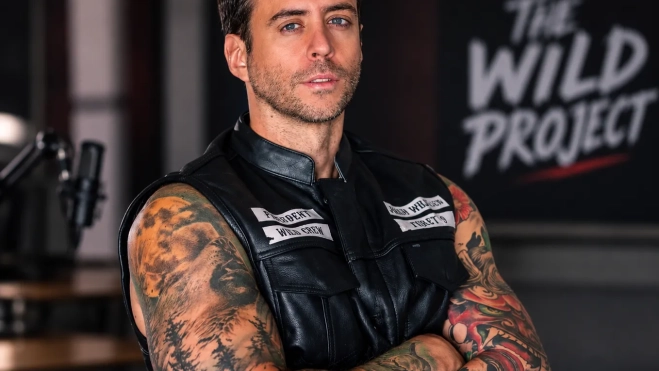
Jordi Wild's case reflects the parties' interest in entering digital spaces with large communities of followers. His podcast, one of the best known in the Spanish scene, offers long conversations far removed from usual electoral formats. Candidates can talk about their proposals, but also about their personal experiences, their hobbies, and issues that usually do not occupy the center of a political interview.
From 'La Revuelta' to podcasts: the new campaign scenarios
The commitment to these formats has also reached television. Santiago Abascal attended 'La Revuelta' last Monday, the program presented by David Broncano on TVE, in an interview that generated significant uproar. The participation of the Vox leader was marked by his team's decision to manage the composition of the audience, after expressing concern about possible boos or interruptions. Broncano explained that the program accepted the request, although he later admitted it had been a mistake and expressed disappointment with the interview's outcome.
Hablemos del público de hoy porque se ha hablado mucho de ellos estos días.#LaRevuelta pic.twitter.com/nVbBhumILY
— La Revuelta (@LaRevuelta_TVE) November 9, 2026
The controversy did not end there. Vox accused RTVE and the production company of not delivering the 40 minutes of conversation that were left out of the television broadcast and announced that it would stop participating in interviews in which it could not have its recordings. This decision ended up causing the cancellation of Abascal's appointment with Jordi Wild. The YouTuber himself regretted the no-show and assured that he had offered to publish the full conversation.
But 'La Revuelta' has not been the only entertainment space that has opened its doors to politicians. Pedro Sánchez already attended 'La Pija y la Quinqui' in 2023, the podcast hosted by Carlos Peguer and Mariang, where he participated in a much more relaxed conversation than conventional political interviews. The president spoke about music, culture, and aspects of his personal life, in a format especially aimed at a young audience. Also Ada Colau has been on Broncano's program in this round of electoral interviews, demonstrating that entertainment spaces have become a communication channel that candidates from different parties are willing to explore.
Influencers as intermediaries between politics and young people
The phenomenon responds to a change in information consumption habits. New generations do not exclusively resort to news programs or the press to learn about current political affairs. YouTube, TikTok, Instagram, and podcasts are part of their routines and have become channels from which they also discover debates, proposals, and electoral messages.
For parties, appearing in these spaces means accessing communities that already follow their favorite presenters and creators. In addition, the format allows the most outstanding fragments of an interview to be subsequently shared on social networks, multiplying their reach beyond the original audience. However, this strategy also raises questions about the limits between information and entertainment. Content creators do not always work with the same dynamics as journalists from traditional media, and each program establishes its own rules, times, and ways of approaching current events.
What seems clear is that the 29-N campaign is leaving an increasingly common image: candidates who exchange lecterns for podcast microphones, news sets for entertainment programs, and prepared speeches for conversations before millions of viewers. Politics also wants to make a place for itself in the universe of content creators.
Contact
We are listening. Get in touch.
